Much of the housing in our area was plumbed with galvanized steel before the war or with copper in the decades after, and both fail in predictable ways. Knowing what is inside the walls of a 1920s two-family in Irvington or a 1955 cape in Clifton is half of finding the leak.
Signs of a hidden water leak
- A water bill that climbed with no change in how you use water
- The water meter turning when every fixture in the house is off
- Brown or yellow stains spreading on a ceiling or wall
- Warm spots on a floor, or a floor that feels damp for no reason
- The sound of running water when nothing is on
- Musty smell, mold or peeling paint in one area
- Low pressure at one fixture or one part of the house
- Cracks in a basement floor that stay wet
How we find and fix leaks
Meter test and isolation
We shut fixtures one at a time and watch the meter to prove there is a leak and narrow it to the hot side, cold side, or a single branch before opening anything.
Pinhole leaks in copper
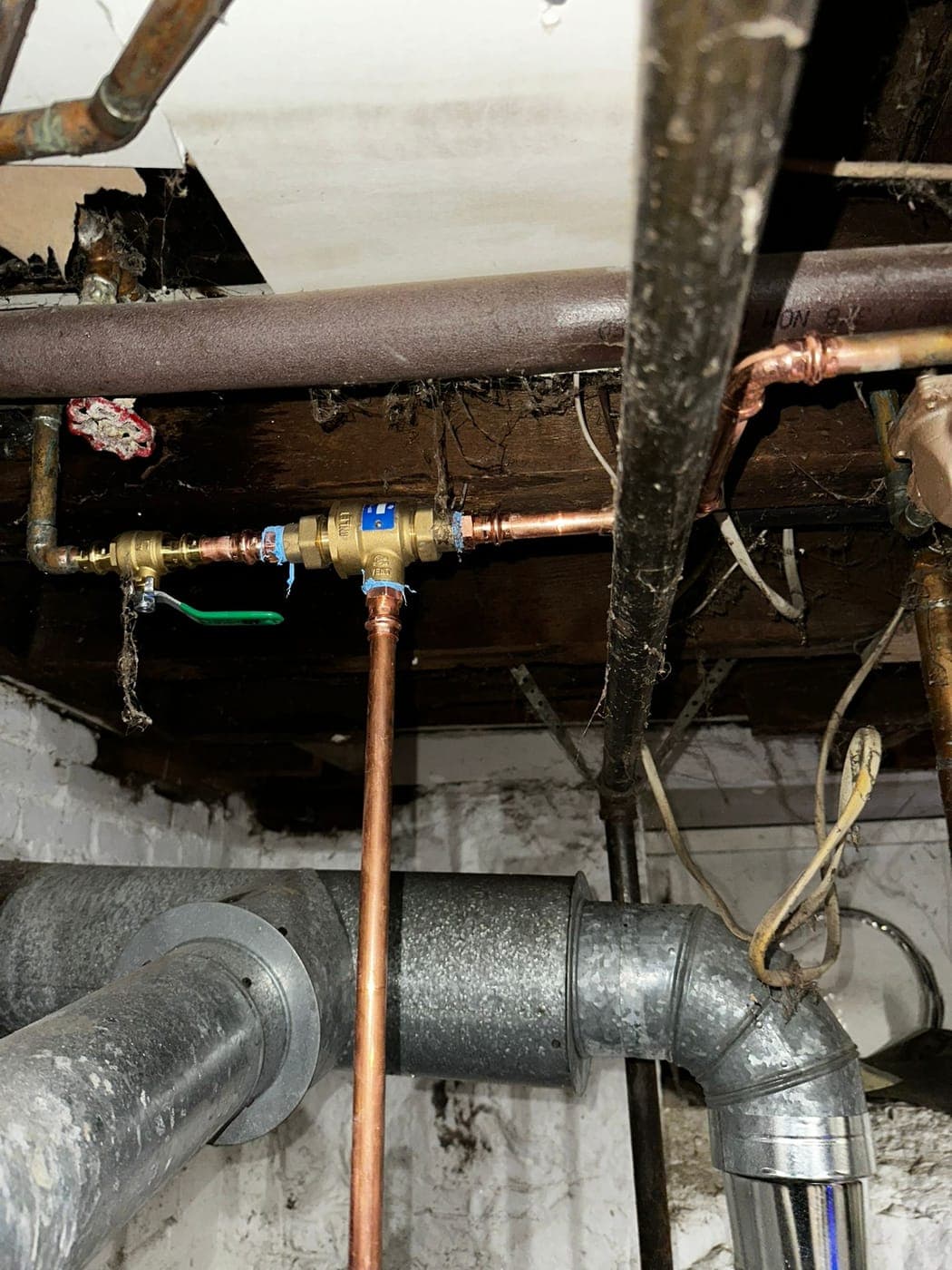
Copper installed from the 1950s onward develops pinholes from inside, usually on horizontal hot lines. We replace the failed section and tell you honestly whether the rest of the run is close behind.
Galvanized pipe corrosion
Old galvanized supply lines rust from the inside, close down the flow and eventually weep at the threads. We repair the leak and quote a repipe if the pipe is near the end.
Ceiling leaks below bathrooms
Tub drains, shower pans, toilet wax rings and supply connections all show up as a ceiling stain. We open the smallest access possible and find the actual source.
Slab and under-floor leaks
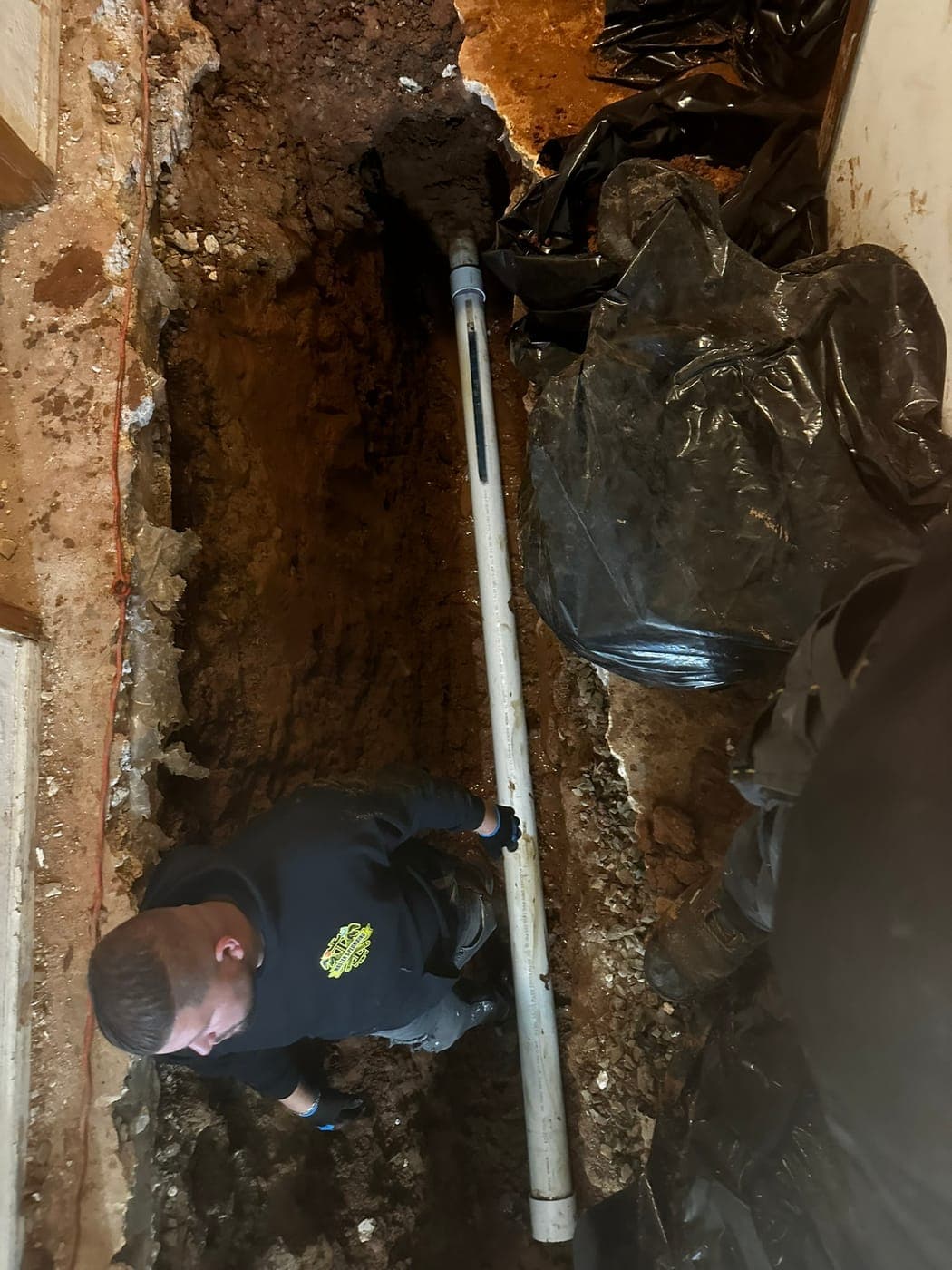
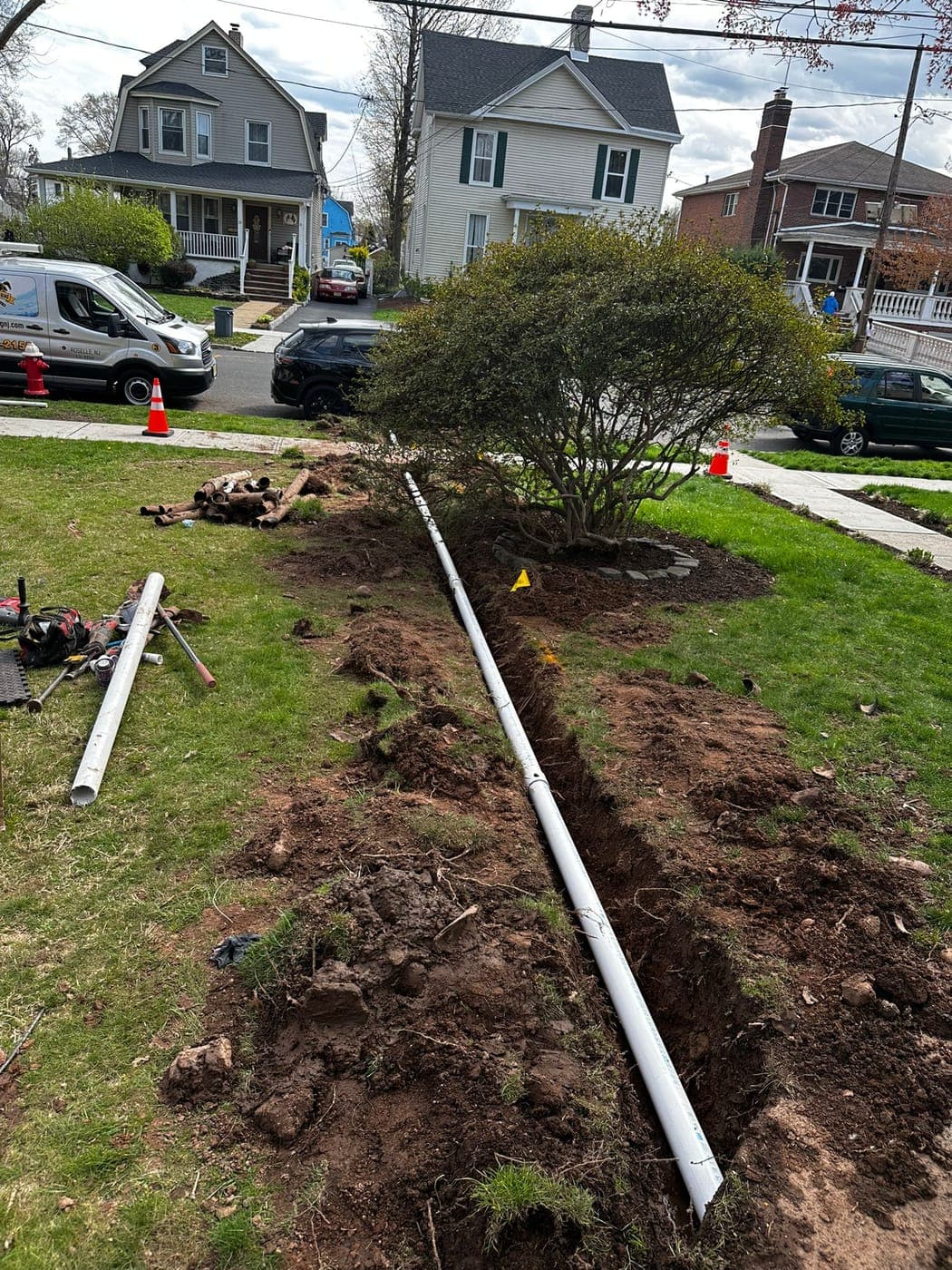
Homes on a slab, and basements with lines under the floor, can leak into the ground. We locate the line, open the floor at the right spot, and repair or reroute overhead.
Fixture and appliance leaks
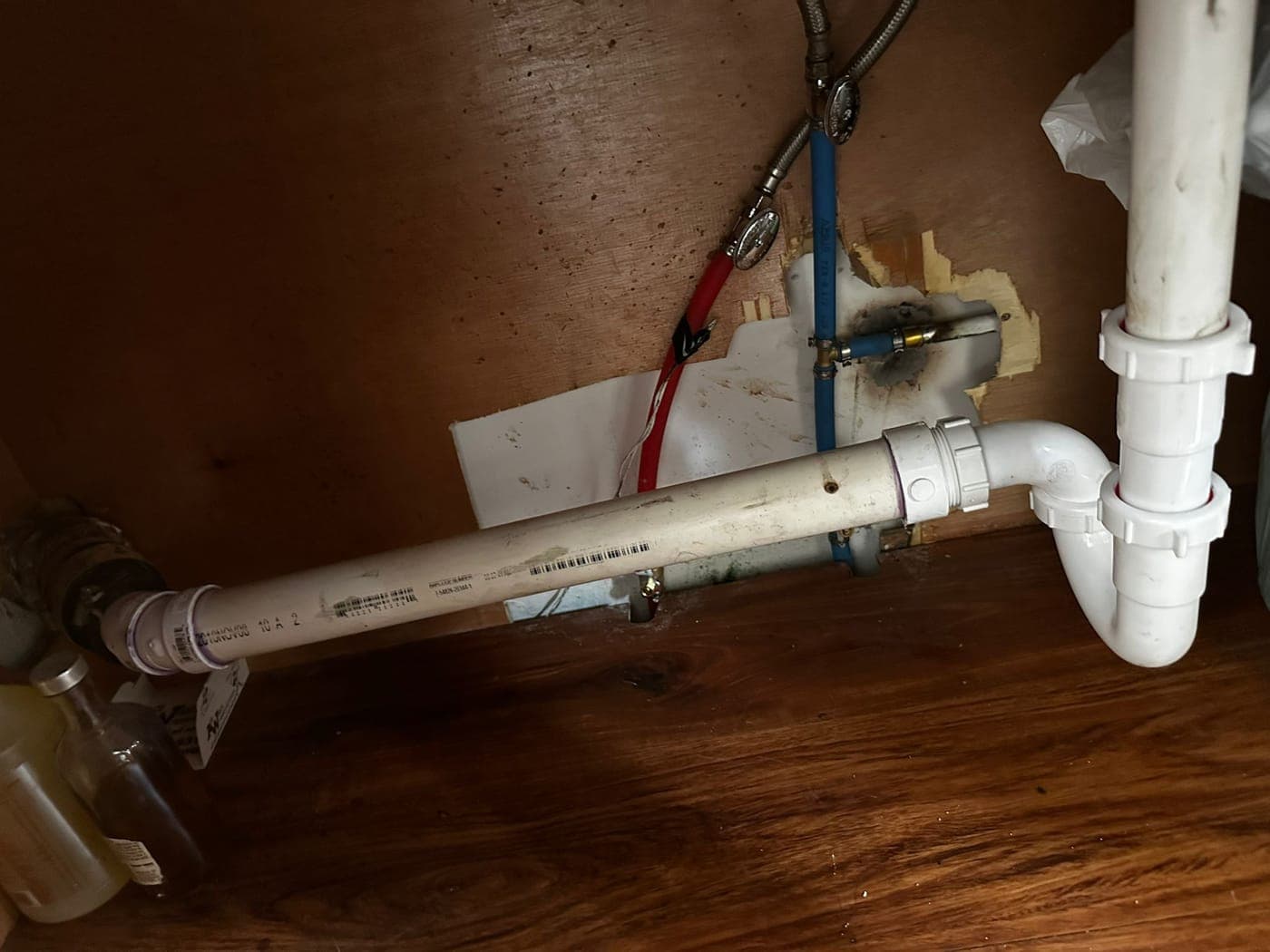
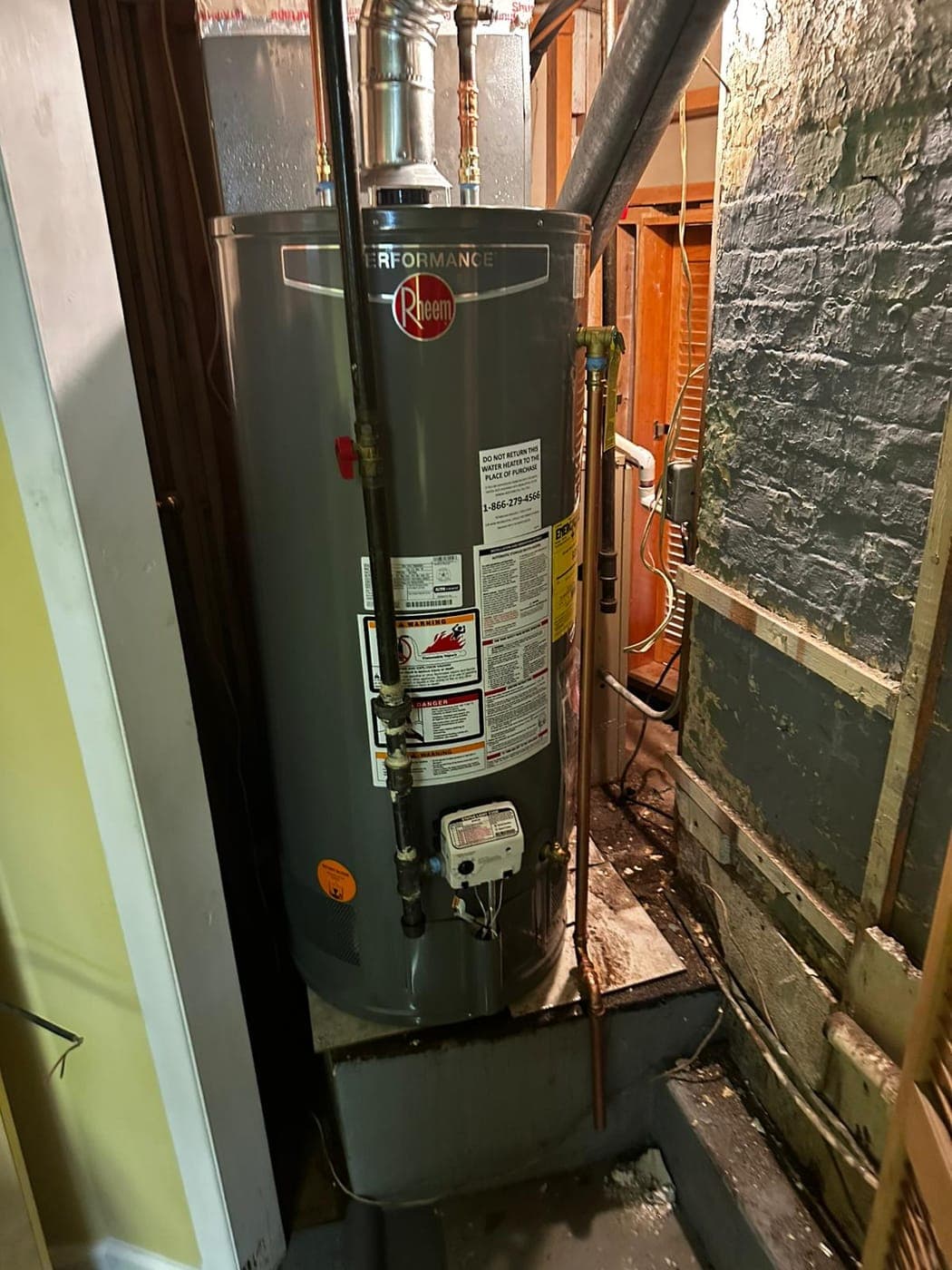
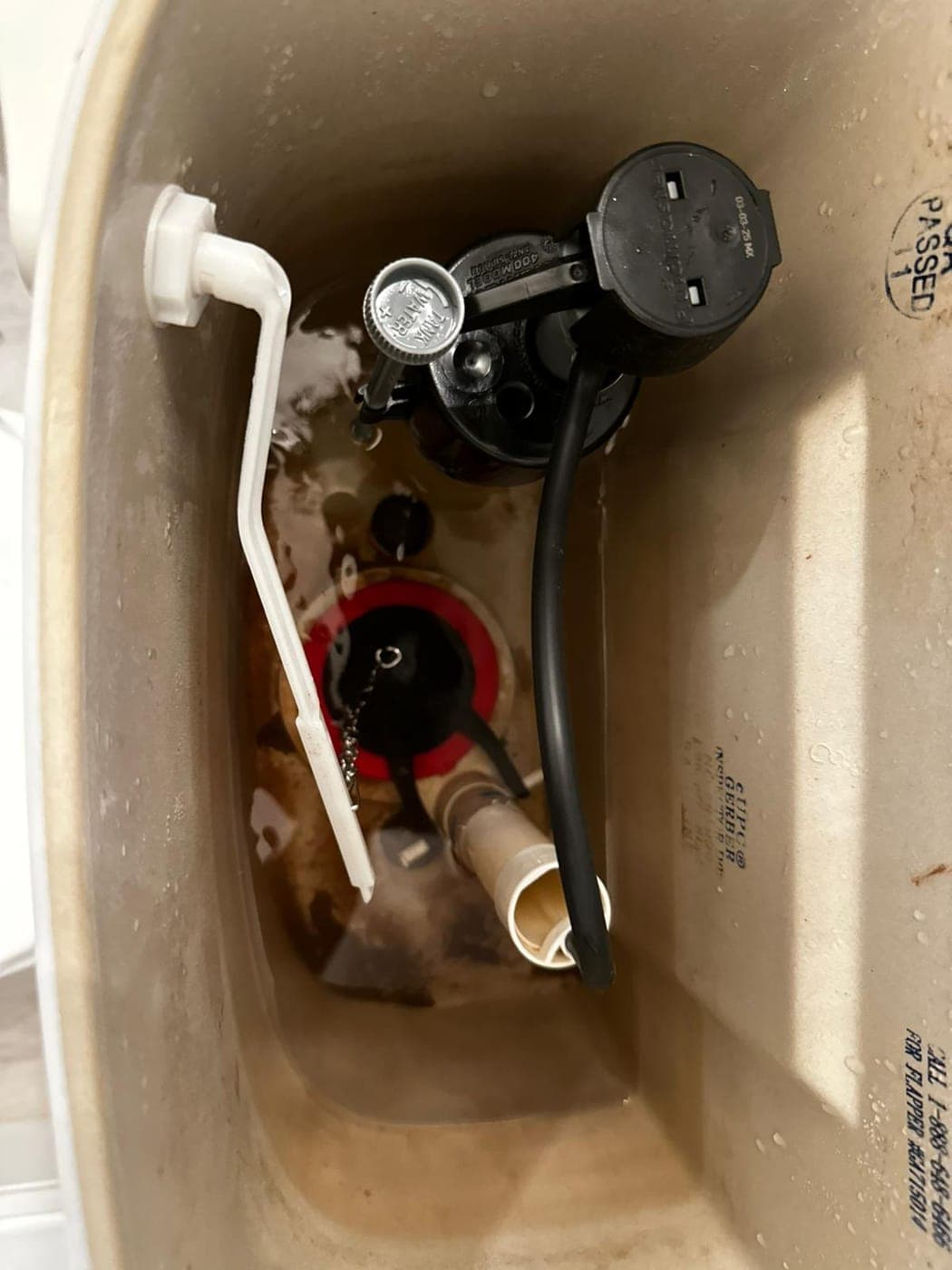
Supply stops, braided connectors, dishwasher and ice maker lines, water heater fittings and outdoor hose bibs are common and quick to fix once found.
Drain and vent leaks
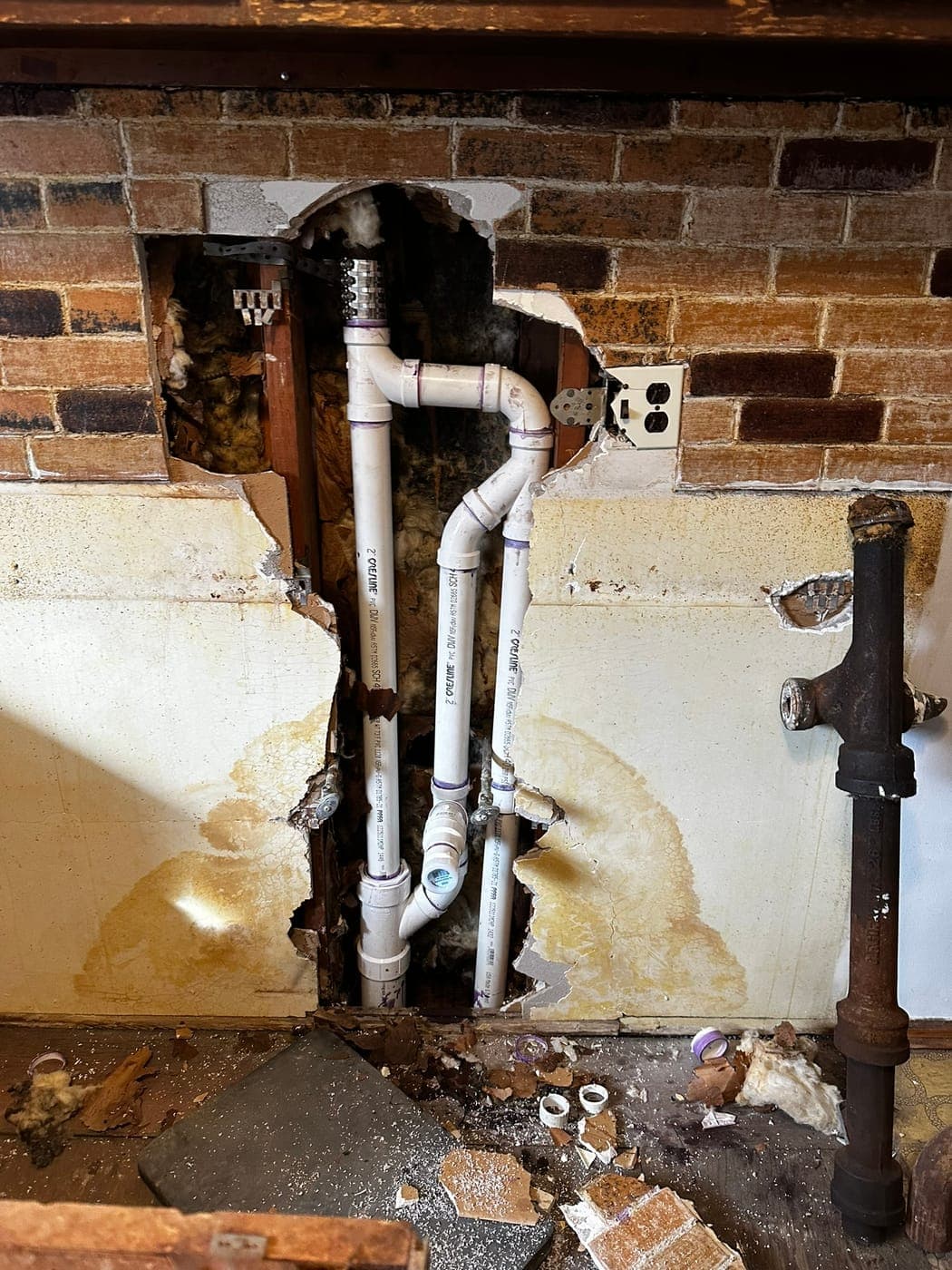
Not every leak is on the pressure side. Cracked cast iron, failed slip joints and split PVC show up only when a fixture is used, which changes how we test.
What a leak detection visit looks like
- 1
Tell us what you have noticed
Where the stain is, when it appears, and whether the bill changed. If water is actively running, we walk you through the main shutoff on the phone.
- 2
Test before we open anything
Meter reading, pressure test and fixture-by-fixture isolation. Then we look, listen and feel along the most likely run.
- 3
Firm price for the repair
Once we know what failed and where, you get a by-the-job price for the fix and, if it applies, a separate option for replacing the rest of the run.
- 4
Repair, test and clean up
We make the repair in copper or PEX, pressurize and check it, and leave the opening as small and clean as the job allows.
Leaks in older North Jersey homes
The pre-war housing in Union, Essex and Hudson counties was largely plumbed in galvanized steel, which rusts from the inside until the threads weep or the pipe closes off. Homes from the 1950s through the 1980s are mostly copper, which lasts a long time but develops pinholes, particularly on hot lines and where the pipe was bent or run through masonry.
The fix for one leak in an old system is a repair. The fix for repeat leaks is a repipe, and we will tell you plainly which situation you are in rather than selling either one.
Why Master’s Plumbing
Why call Master's Plumbing for a leak
- Small, targeted openings instead of tearing out walls on a hunch
- Repairs in copper or PEX that match what is already in your house
- Honest advice on whether the rest of the pipe is close to failing
- 24/7 answer when a leak is active and doing damage
- Upfront pricing for the repair before we start
- Licensed, insured and bonded
Leak Detection across North Jersey
Master’s Plumbing is based in Roselle and provides leak detection & repair throughout Union County, Essex County, Bergen County, Passaic County, Hudson County, Morris County. Not sure if we cover your town? Call and ask, or check the full service area.