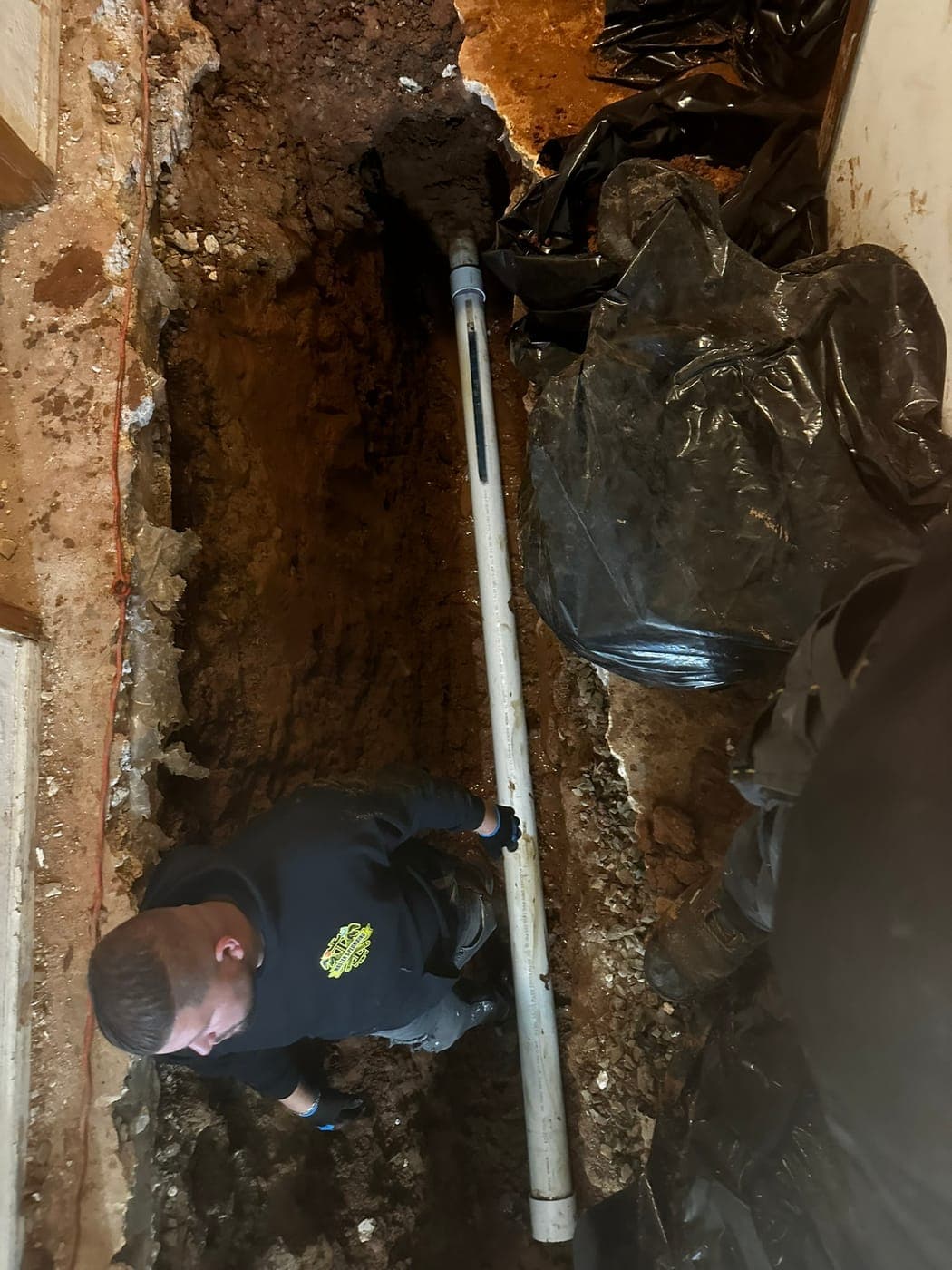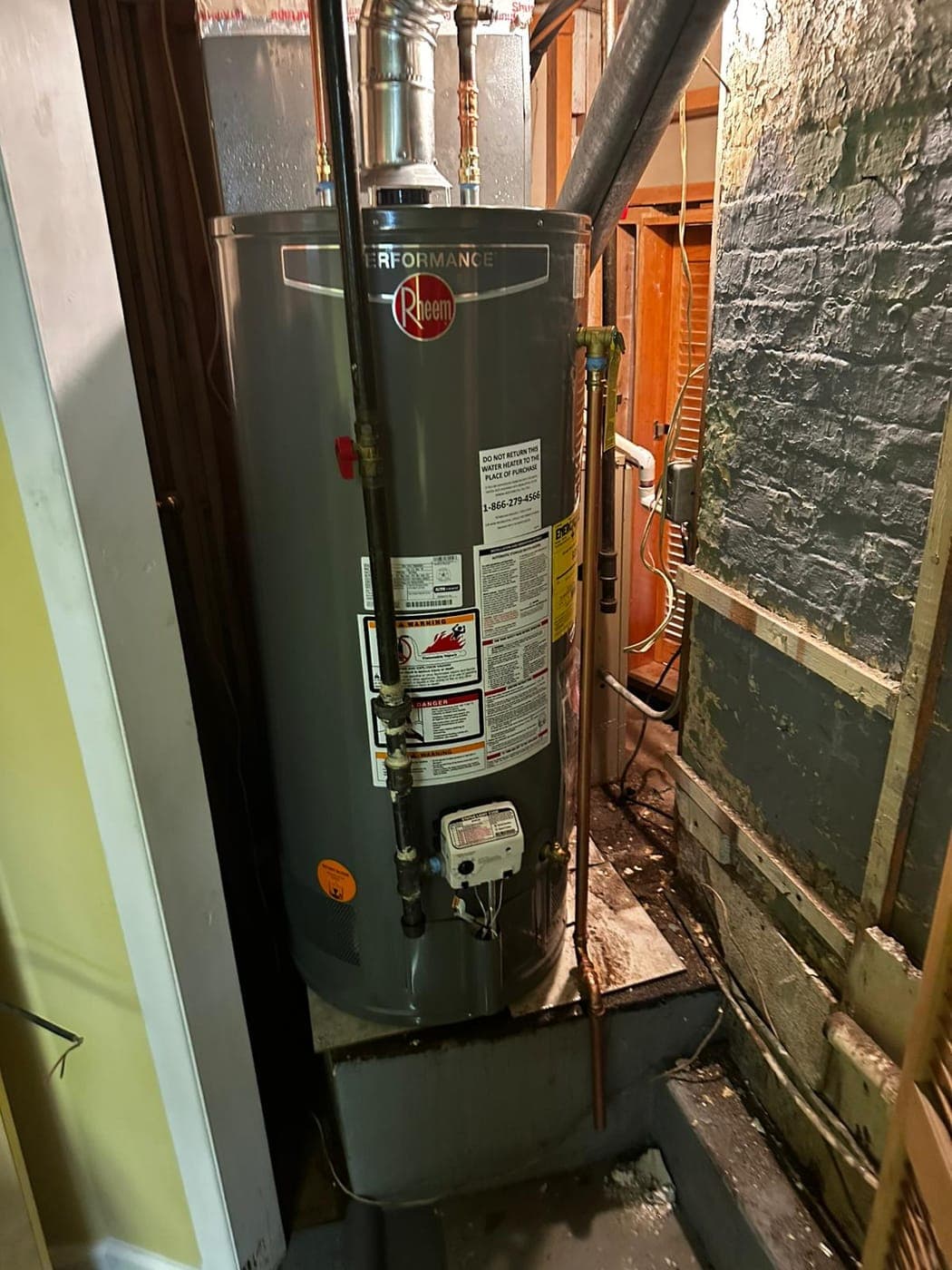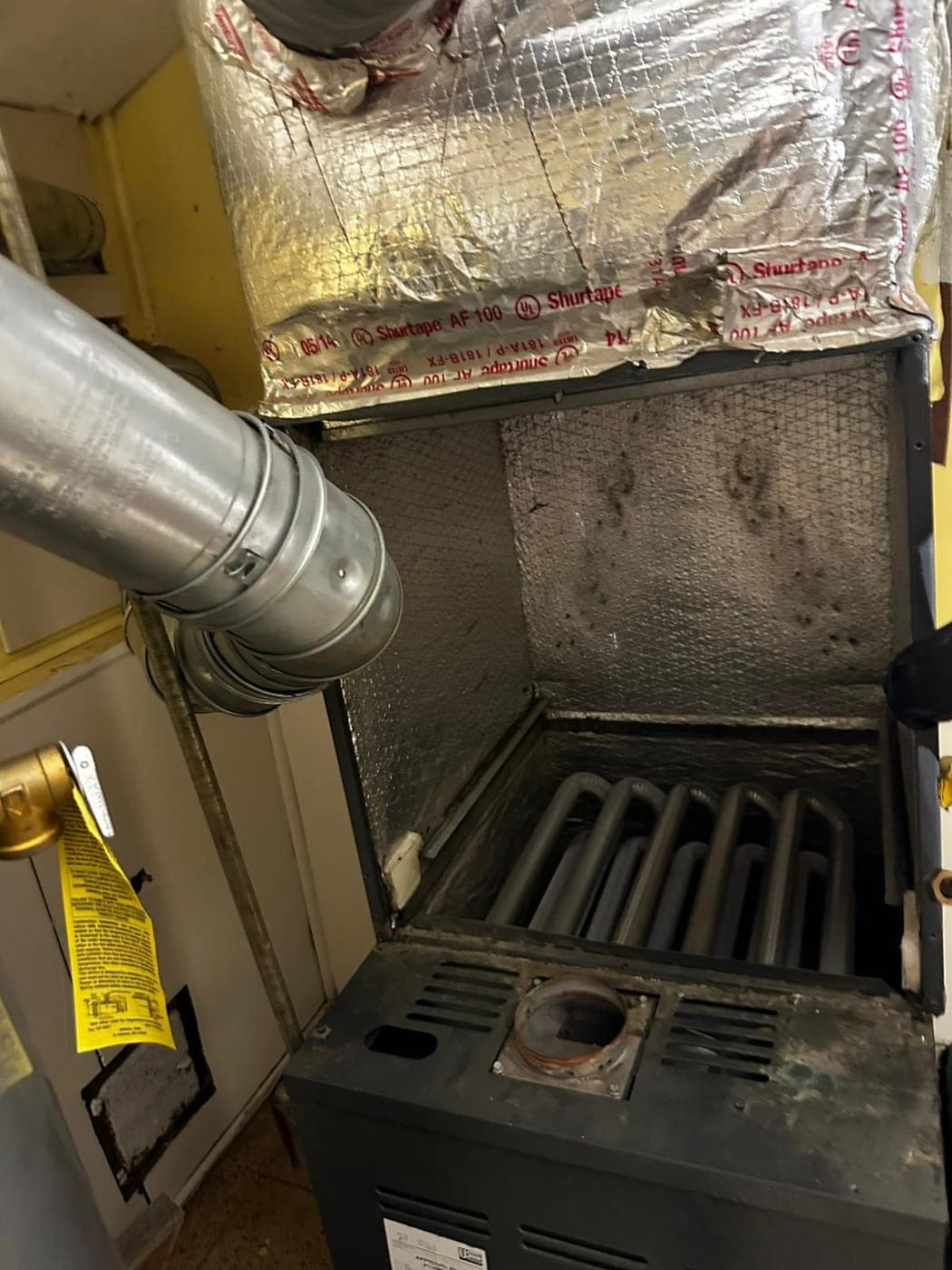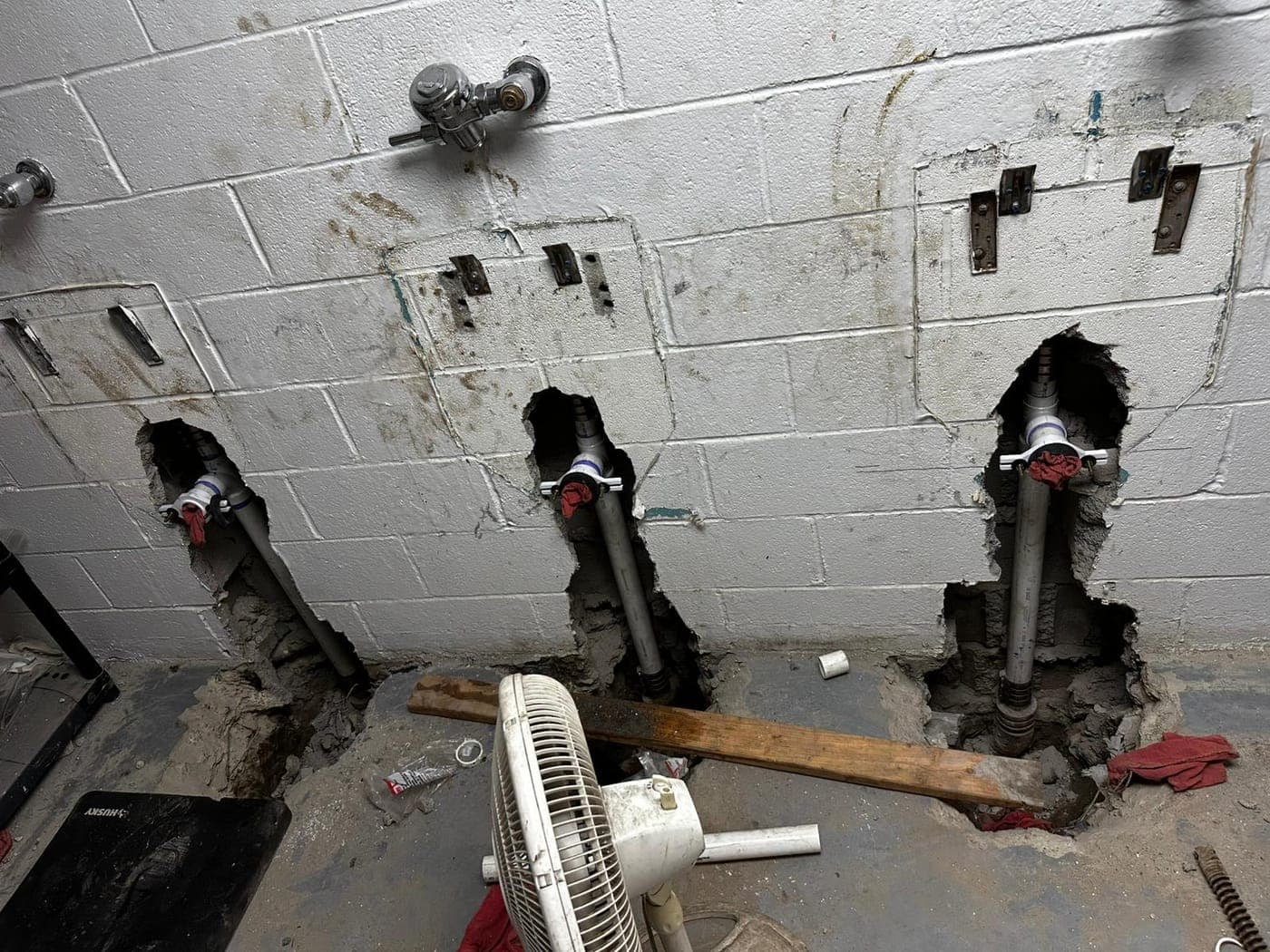
If you smell gas right now, put the phone down, get everyone out of the house, and call your gas utility's emergency line or 911 from outside. Once the utility has made the property safe, call us to find and repair the leak and to have the gas turned back on.
Signs of a gas problem
- A rotten-egg or sulfur smell anywhere in the house (leave first, then call)
- Hissing near a gas appliance, meter or pipe joint
- Dead grass or bubbling in wet soil above a buried gas line
- A pilot light or burner flame that is yellow or orange instead of blue
- Appliances that cut out or will not stay lit
- The utility shut off your gas and tagged a leak on the house side
- Headaches, dizziness or nausea that clear up when you leave the house
- An old gas line with rust, sagging or missing supports
Gas line services
Gas leak detection and repair
Pressure testing, soap testing and electronic detection to locate the leak, then repair of the failed pipe, fitting, valve or flex connector.
New gas lines for appliances
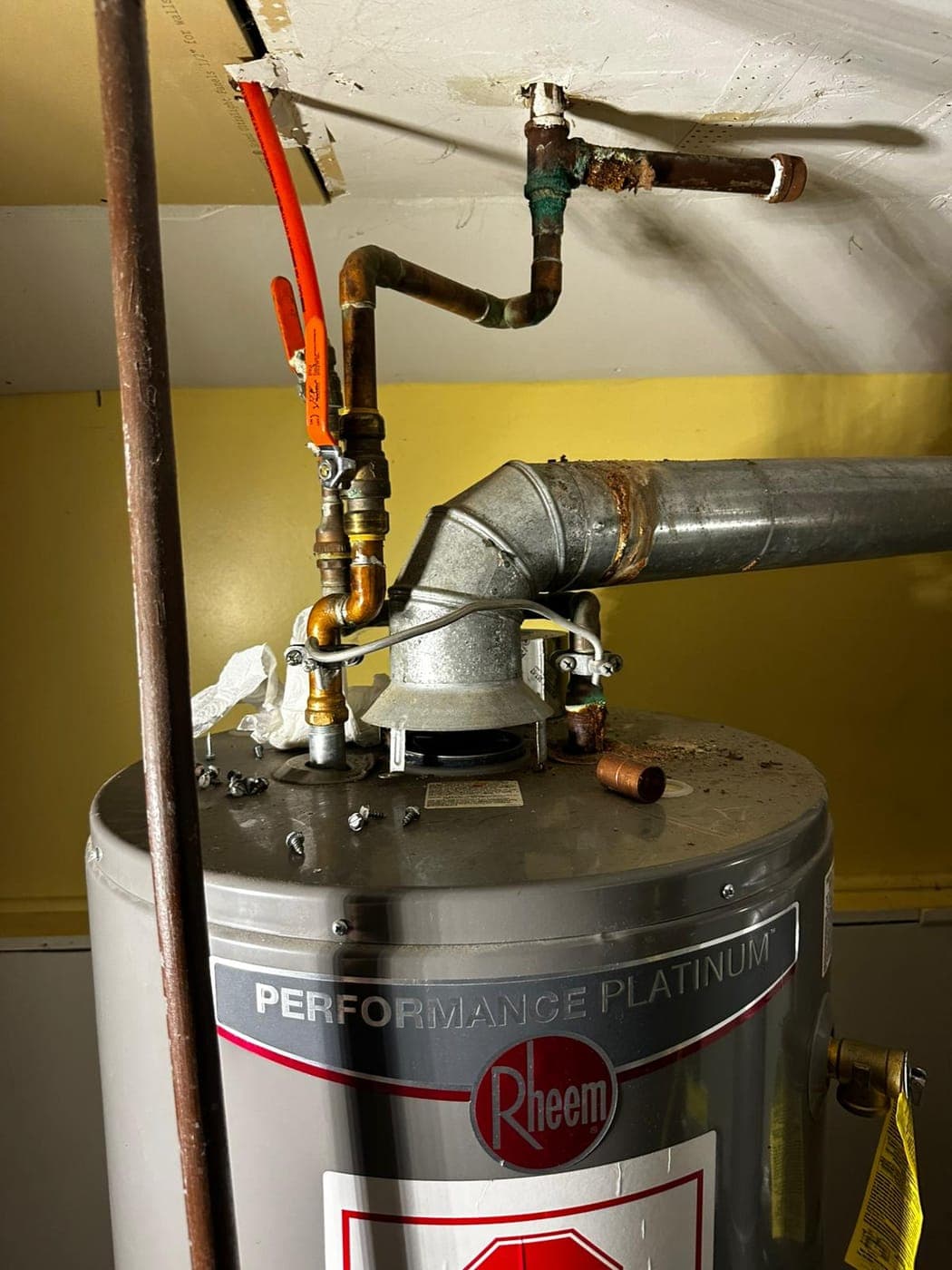
Ranges and cooktops, clothes dryers, water heaters, boilers and furnaces, pool heaters, fireplaces and outdoor grills, run to the appliance with a proper shutoff and drip leg.
Standby generator gas lines
Sizing and installation of the gas supply to a whole-house generator, including the pressure and volume the generator manufacturer requires.
Black iron and CSST
Threaded black iron for most runs and properly bonded corrugated stainless steel tubing where flexibility makes sense. Both installed to code.
Pressure testing and re-lights
Whole-system pressure tests after a utility shutoff, so the gas can be turned back on and every appliance re-lit safely.
Meter relocations and line extensions
Extending the house line for a kitchen remodel, a new dryer location or a converted heating system.
Permits and inspections
Gas work in New Jersey requires a permit and a gas inspection. We file and meet the inspector.
How a gas call works
- 1
Safety first
For a suspected leak we tell you to leave and call the utility. For a new line, we discuss the appliance, its BTU rating and where the run will go.
- 2
Test and locate, or size and design
Leaks are found with pressure and soap tests, not guesswork. New lines are sized by total load so every appliance gets the gas it needs.
- 3
Firm price before work begins
You approve a by-the-job price. No hourly meter.
- 4
Install, test, inspect
The new or repaired line is pressure-tested, the town inspects it, and we light and check each appliance before we leave.
If you smell gas: what to do
Get out. Do not turn lights on or off, do not use the phone inside, and do not try to find the leak yourself. From outside the house, call your gas utility's emergency line or 911. PSE&G and Elizabethtown Gas serve most of the towns we work in, and the emergency number is printed on your bill.
After the utility has shut the gas and confirmed the house is safe, the repair on the house side is your responsibility. That is where we come in. We find the leak, fix it, test the system, and handle the inspection needed before service is restored.
Why Master’s Plumbing
Why homeowners trust Master's Plumbing with gas
- NJ Master Plumber license #36BI01244200 covers residential gas piping
- Every line pressure-tested and inspected, no exceptions
- 24/7 response after a utility shutoff so you are not without heat or hot water
- Black iron and CSST installed and bonded to code
- Upfront pricing for repairs and new runs
- Insured and bonded
Gas Lines across North Jersey
Master’s Plumbing is based in Roselle and provides gas line installation & repair throughout Union County, Essex County, Bergen County, Passaic County, Hudson County, Morris County. Not sure if we cover your town? Call and ask, or check the full service area.